From Siloed to Synchronized: Reimagining How Big Efforts Align
Metaimpact is changing the way multi-stakeholder efforts align, act, and accelerate impact.


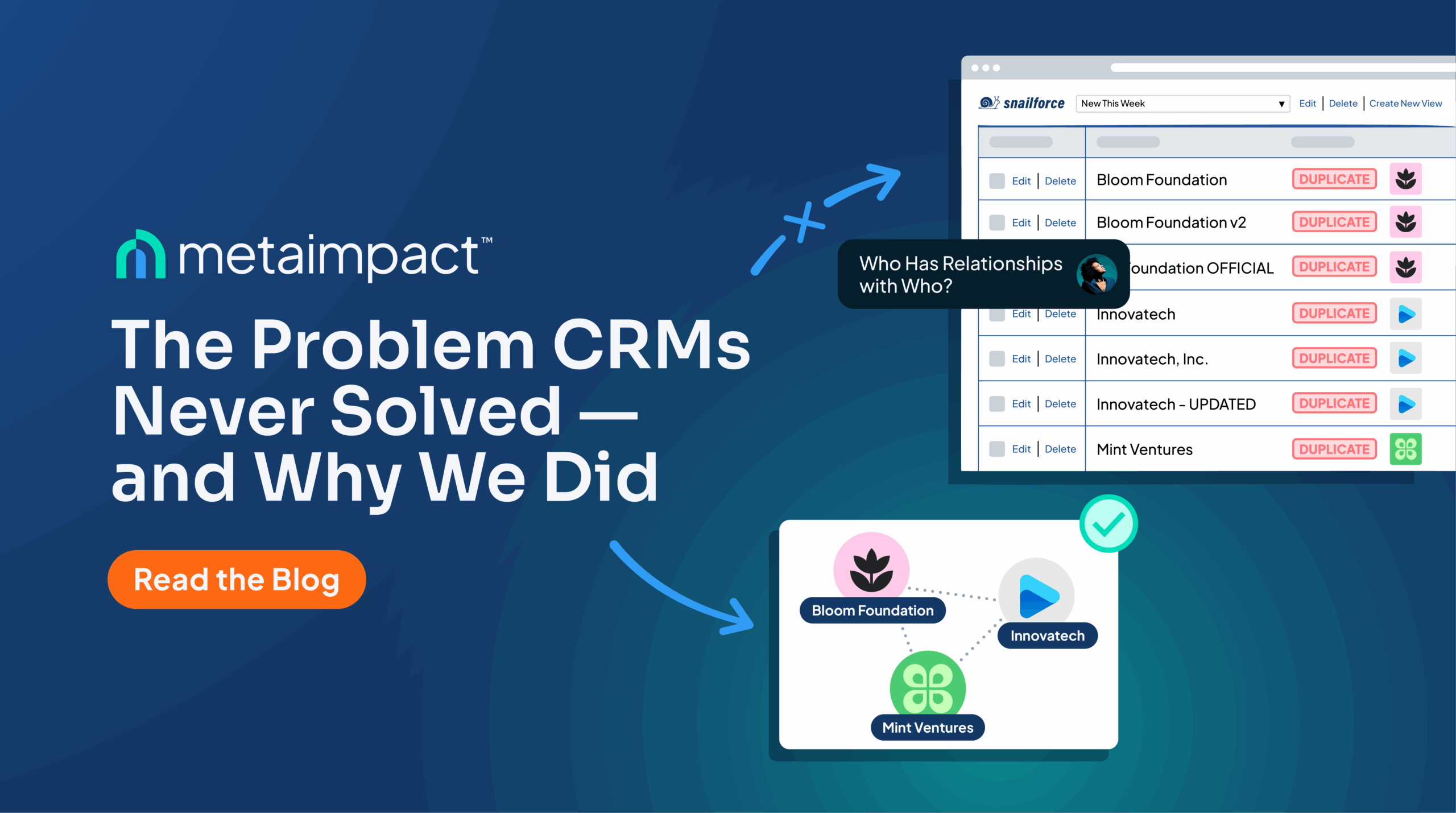


In every so-called “system of record” I’ve encountered, especially CRMs, the same failure shows up again and again:
Duplicate records.
The same “account”, “organization”, or “contact” is entered over and over again. Slightly different names for each record. Or even the exact same name for each record, just entered by a different operating unit of the same company that owns the CRM.
Scattered information. Inconsistent metadata. And over time, what looked like minor discrepancies become structural liabilities.
By the time anyone realizes what’s happened, no one’s sure which record is correct. Outreach is duplicated. Attribution is scattered. Reporting becomes a fiction. And a growing team begins to quietly lose trust in the system itself.
These aren’t edge cases. They’re default outcomes in systems that treat structure as an afterthought.
Want to apply AI to an environment like this? Good luck.
At Metaimpact, we made a deliberate choice to do things differently from the start.
We are not a single-org platform like the rest of B2B SaaS. We are a networked platform.
And in a network, structure isn’t just important — it’s everything.
In Metaimpact, every organization is represented once, and only once. This is true for any number of relationships this organization has with other stakeholders. Let that sink in for a minute.
When you create or invite an organization into Metaimpact, you are not just adding it to your account. You are introducing it to the network. And because there is only one record for each real-world entity, every other organization in that network can collaborate with you — or with them — in exactly the same way.
There is no ambiguity. No duplication. No wondering which version is the “right” one.
There is only one.
This is more than a product decision. It’s a philosophical one. Because we believe the future of collaboration — especially multi-stakeholder collaboration — depends on shared structure and trusted identity. Without that, no amount of dashboards, metrics, or AI will help.
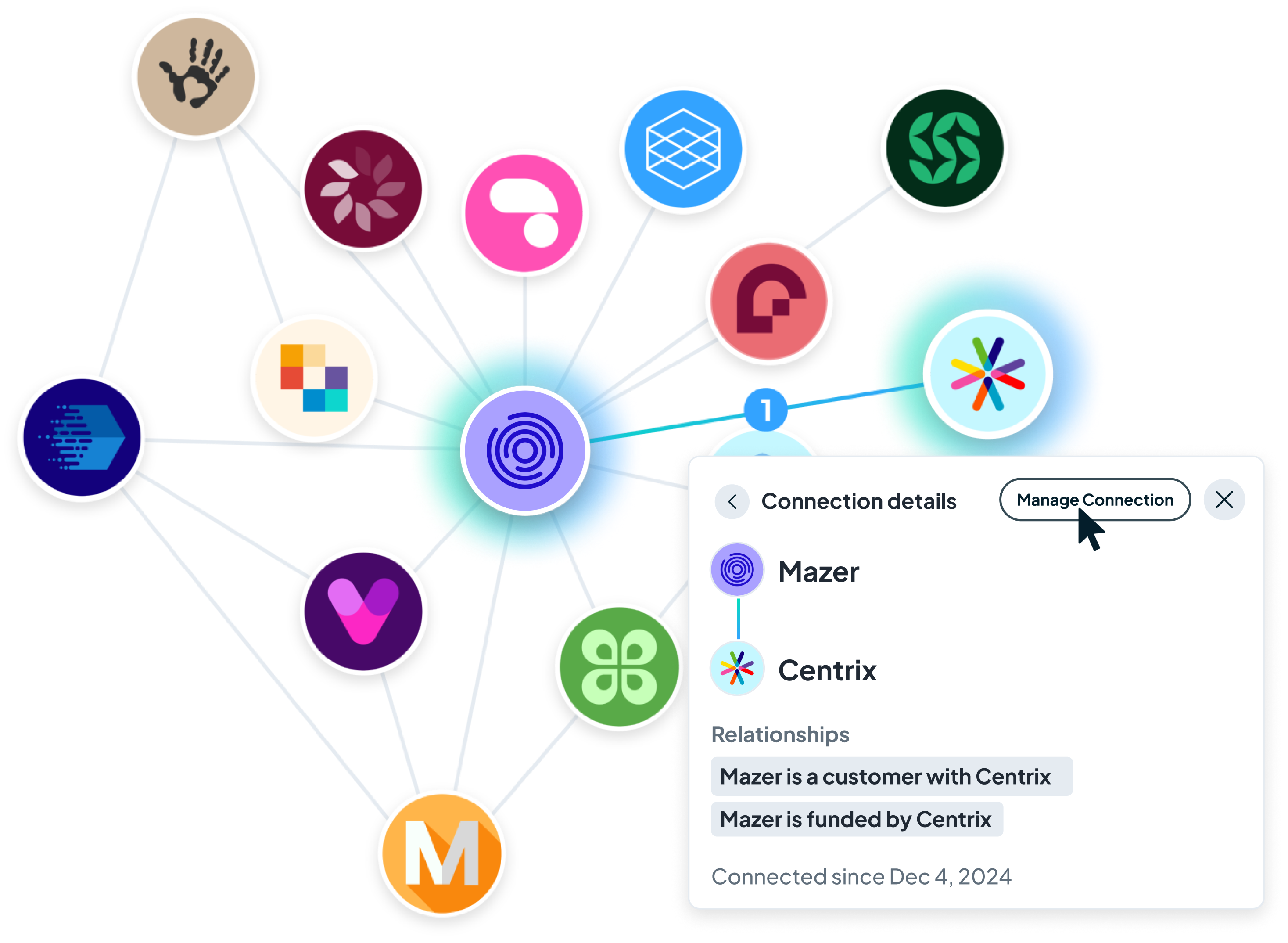
Poor data quality is consistently ranked among the top three reasons CRM systems fail to deliver value. Most people attribute low adoption to user behavior. In reality, it’s the system itself that fails them.
When a user encounters three versions of the same organization, they stop trusting what they see. When they’re unsure who owns which record, they delay outreach. When reports show conflicting numbers, they stop using the data altogether.
Without trust in the structure, the system decays from within.
Until now, Metaimpact users have relied on our team to create new organizations and manage invitations. That wasn’t red tape — it was protection.
It was the safeguard that kept our platform clean, coherent, and connected.
Now, we’ve engineered a system that preserves that structural integrity — and makes it available to everyone.
Creating new organizations and inviting collaborators is now available to everyone.
This means:
• You can create new organizations without risk of duplication, thanks to built-in validation
• You can invite collaborators directly, with built-in checks to ensure accuracy and alignment
• You can expand your network without compromising its integrity
In short: we’ve built the infrastructure to make network-scale collaboration both self-service and self-governing.
This new capability is not just a feature — it is a reflection of our deepest design principle:
When the foundation is clean, the entire system can come alive.
Reliable measurement. Coordinated execution. Bi-directional intelligence. And a record of relationships that’s not just static — it’s shared, alive, and in motion.
In most systems, a CRM is a ledger. It logs what already happened.
But Metaimpact is different. It’s where work actually gets done:
• Where collaborators aren’t just contacts — they’re active participants.
• Where organizations don’t just exist as an account record in your Salesforce instance — they exist in the network.
• And because they control their own identity, value flows both ways.
This is what makes Metaimpact fundamentally different.
You’re not just tracking relationships. You’re activating them. You’re not just storing data. You’re transacting value.
Creating organizations and inviting collaborators is the feature.
But a trusted, connected, living network — that’s the breakthrough.
And now, it’s in your hands.

Download the one pager to learn how Metaimpact powers seamless coordination across internal teams, strategic partners, and customers with a secure, collaborative data platform purpose-built to align efforts around shared objectives, consolidate shared data to measure progress, and accelerate delivery of business outcomes.

Download the one pager to learn how Metaimpact enables corporate foundations to collaborate with grant recipients on funded initiatives, give grantees the opportunity to connect, and demonstrate the collective impact of their philanthropic endeavors.

Download the ebook to learn how your organization can go beyond reporting and put a sustainability program in place that drives real progress.
Download the one pager to learn how Metaimpact equips visionary leaders of multi-stakeholder efforts with the tools to define shared goals, drive collective action, and measure meaningful progress.
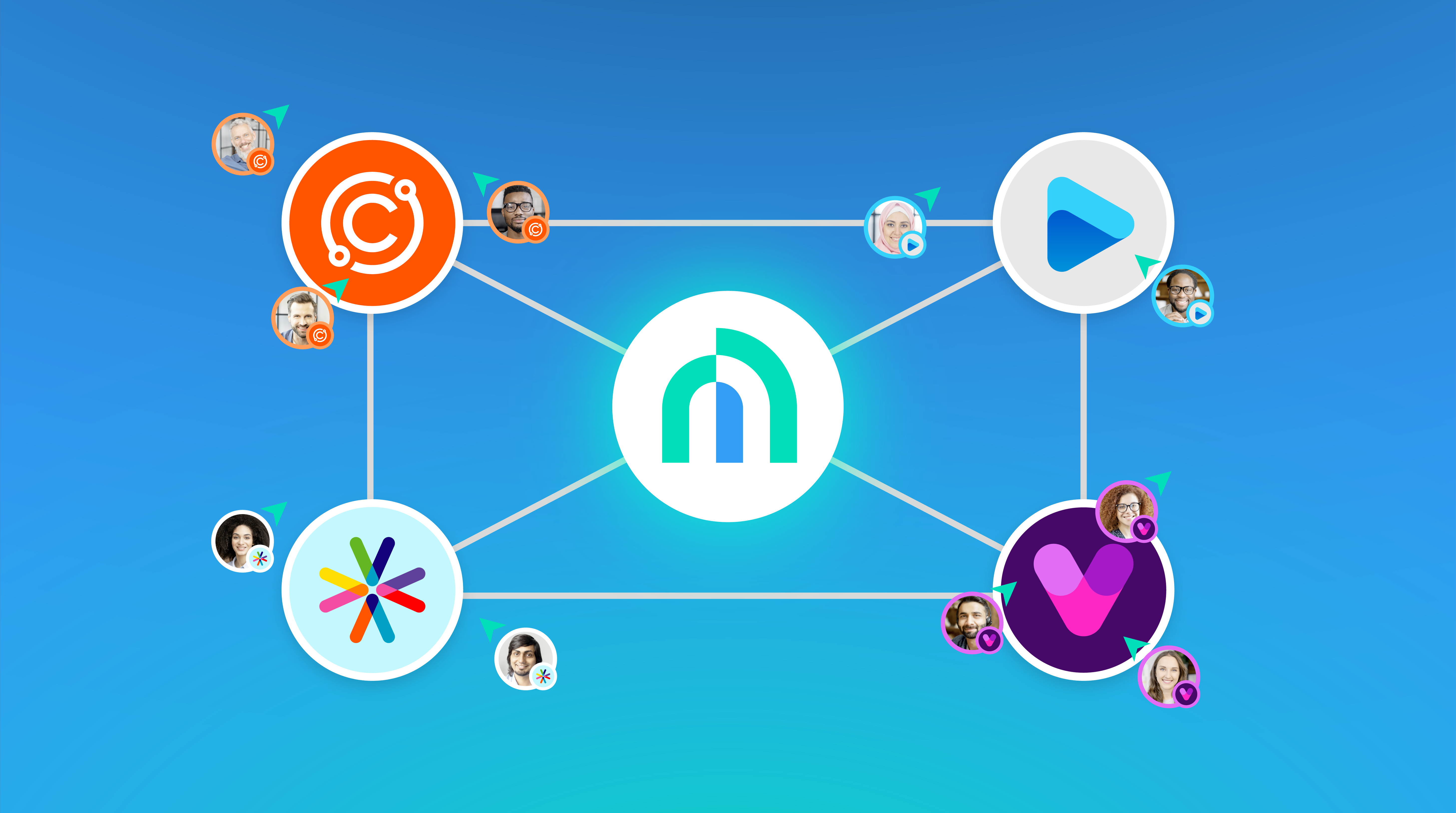
Metaimpact is changing the way multi-stakeholder efforts align, act, and accelerate impact.
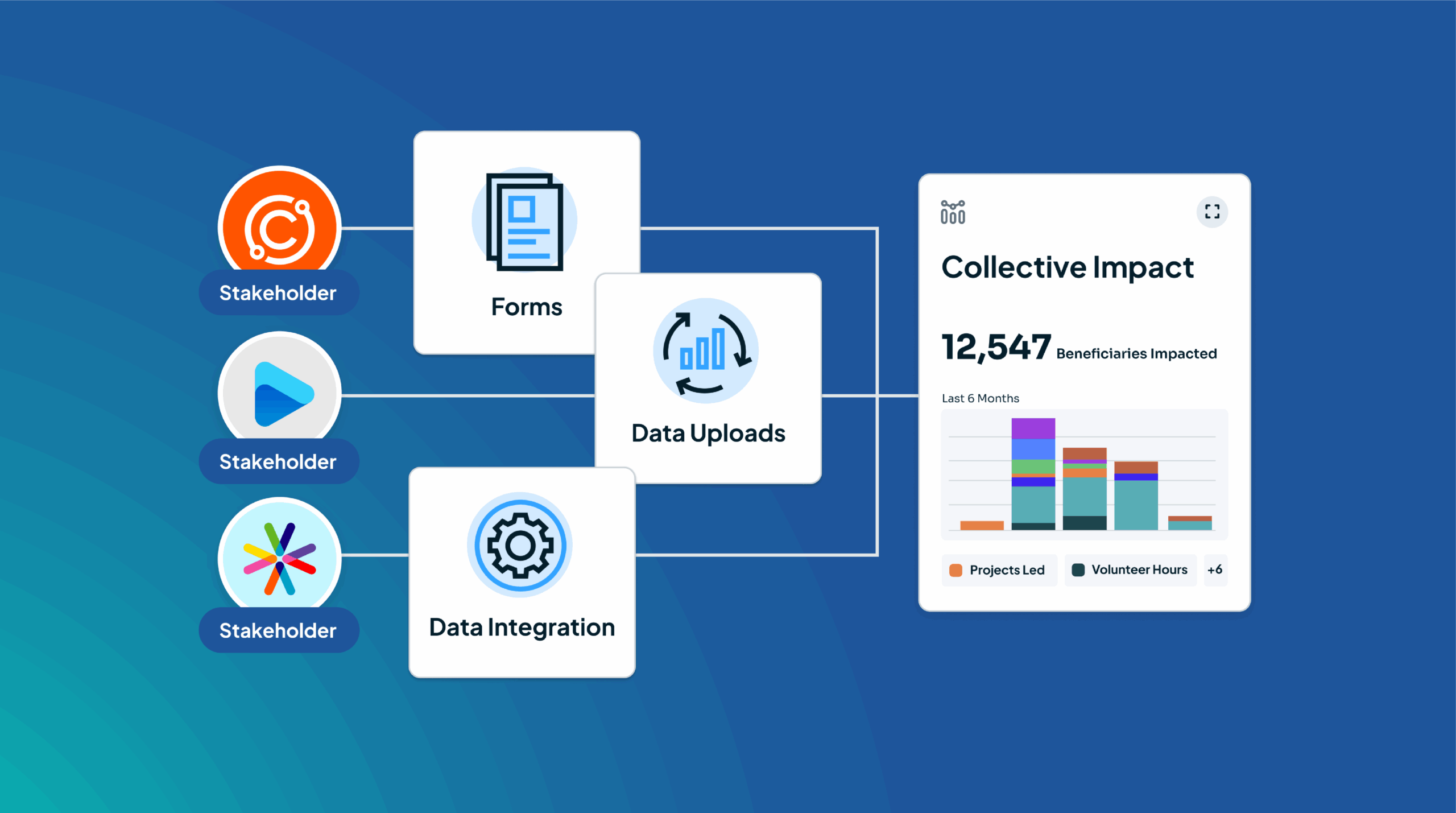
We turn data into a catalyst for collective action — so progress doesn’t just get measured. It gets multiplied.
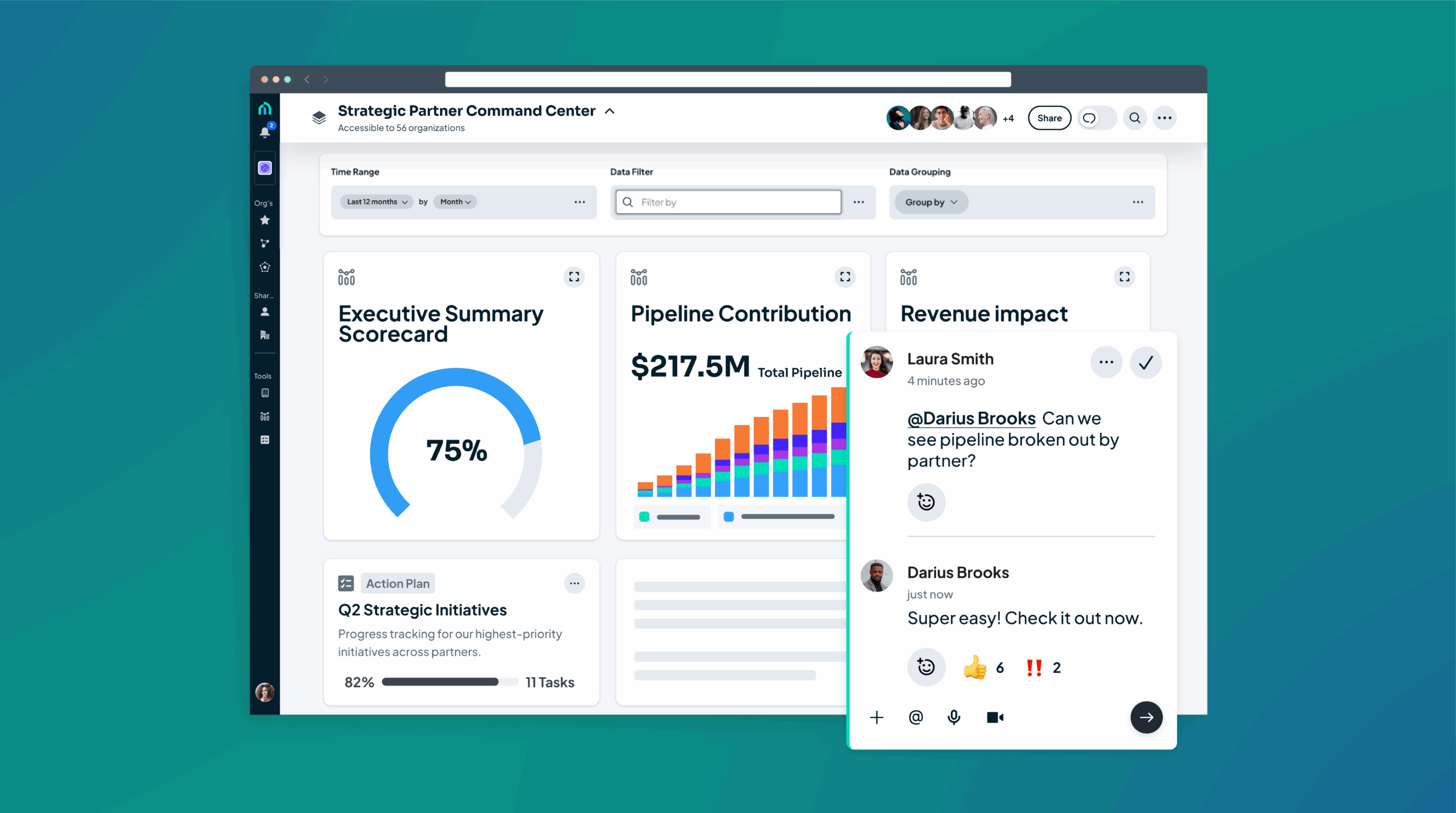
We believe collaboration should do more than connect people. It should translate shared vision into real execution.
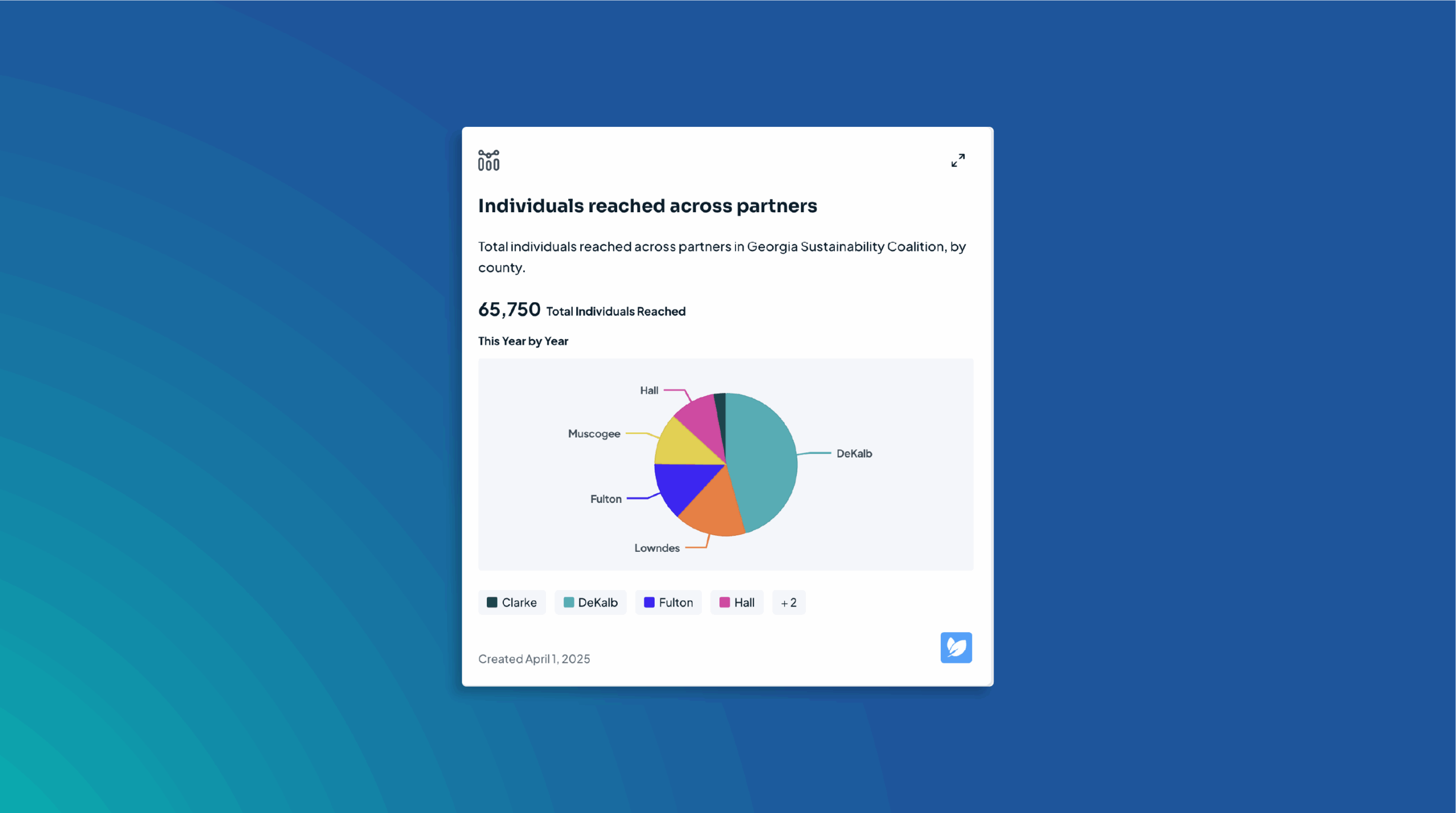
Your June roundup: from instant charts to flexible forms — built for how collaboration actually happens.
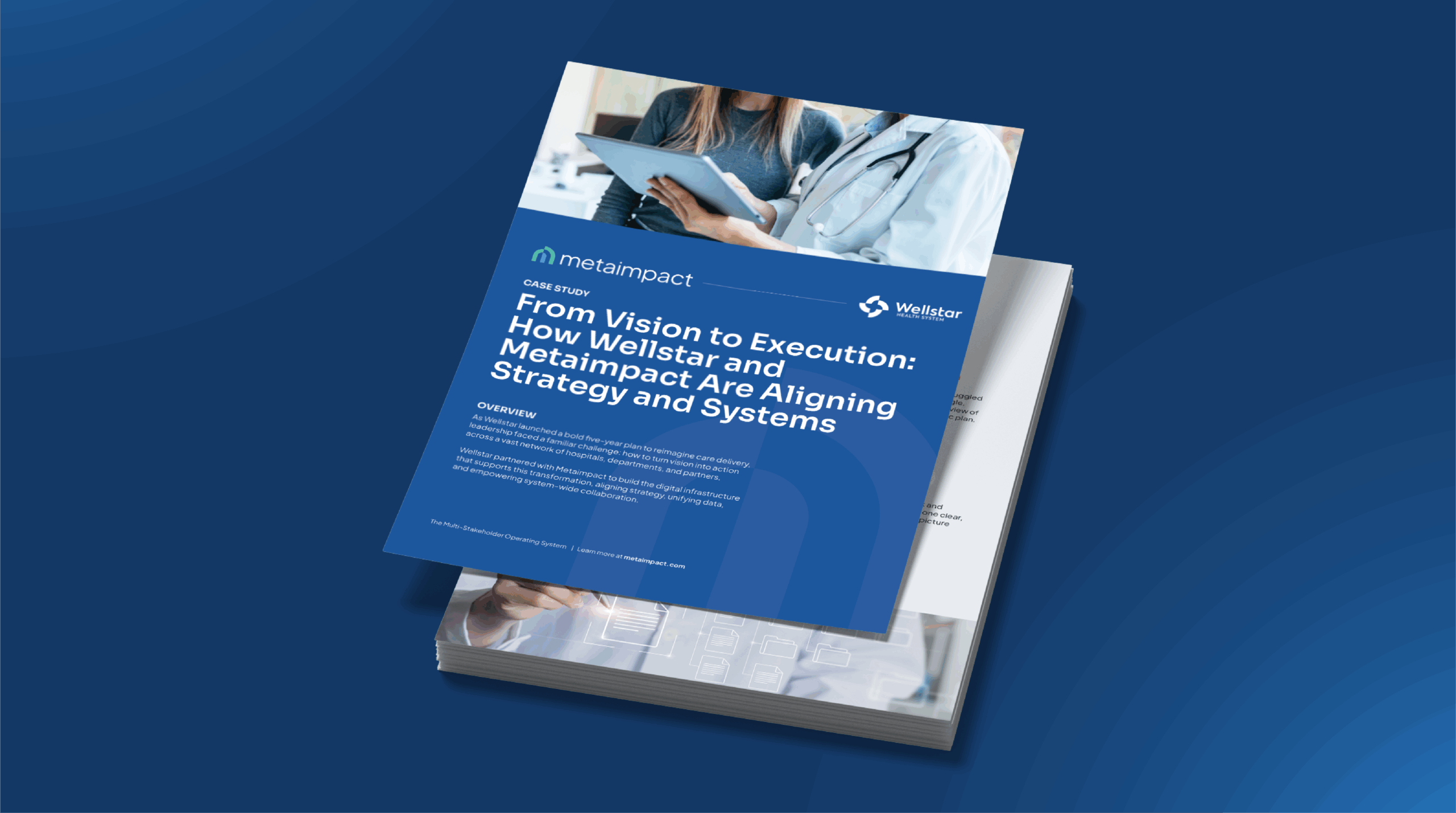
See how Wellstar is using Metaimpact to unify data, align cross-functional teams, and drive real-time insight across its entire network — transforming a bold five-year strategy into measurable, system-wide impact.
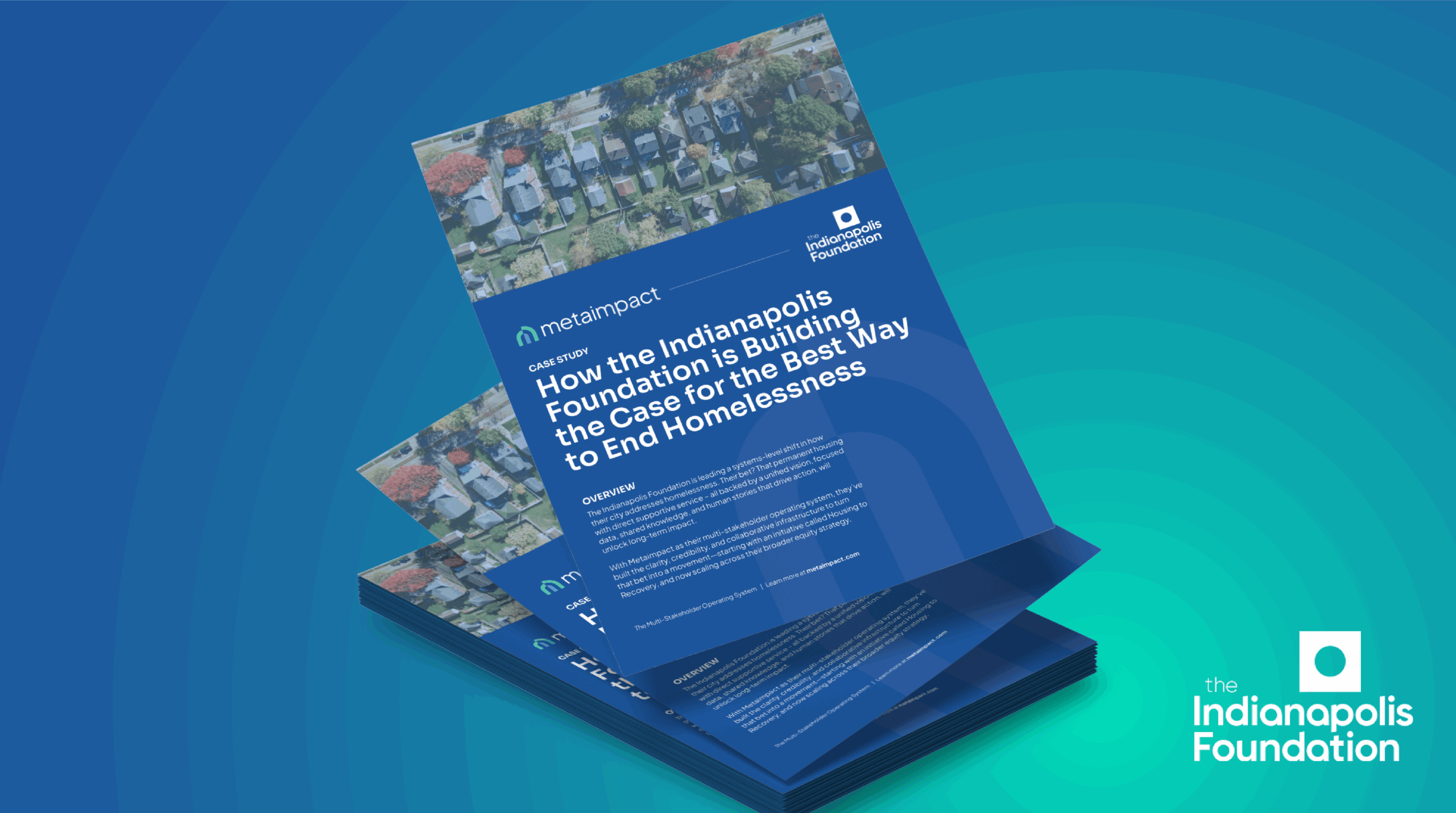
See how Metaimpact is supporting Indianapolis Foundation in powering the city’s shift from fragmented reporting to real-time coordination — helping many organizations work as one, unifying housing inventory data for the first time, and laying the groundwork for policy and funding reform around what actually works.
Metaimpact is changing the way multi-stakeholder efforts align, act, and accelerate impact.
We turn data into a catalyst for collective action — so progress doesn’t just get measured. It gets multiplied.
We believe collaboration should do more than connect people. It should translate shared vision into real execution.
Your June roundup: from instant charts to flexible forms — built for how collaboration actually happens.
See how Wellstar is using Metaimpact to unify data, align cross-functional teams, and drive real-time insight across its entire network — transforming a bold five-year strategy into measurable, system-wide impact.
See how Metaimpact is supporting Indianapolis Foundation in powering the city’s shift from fragmented reporting to real-time coordination — helping many organizations work as one, unifying housing inventory data for the first time, and laying the groundwork for policy and funding reform around what actually works.

If you’re exploring tools to streamline collaboration, align stakeholders, and turn data into action — we’d love to show you around.