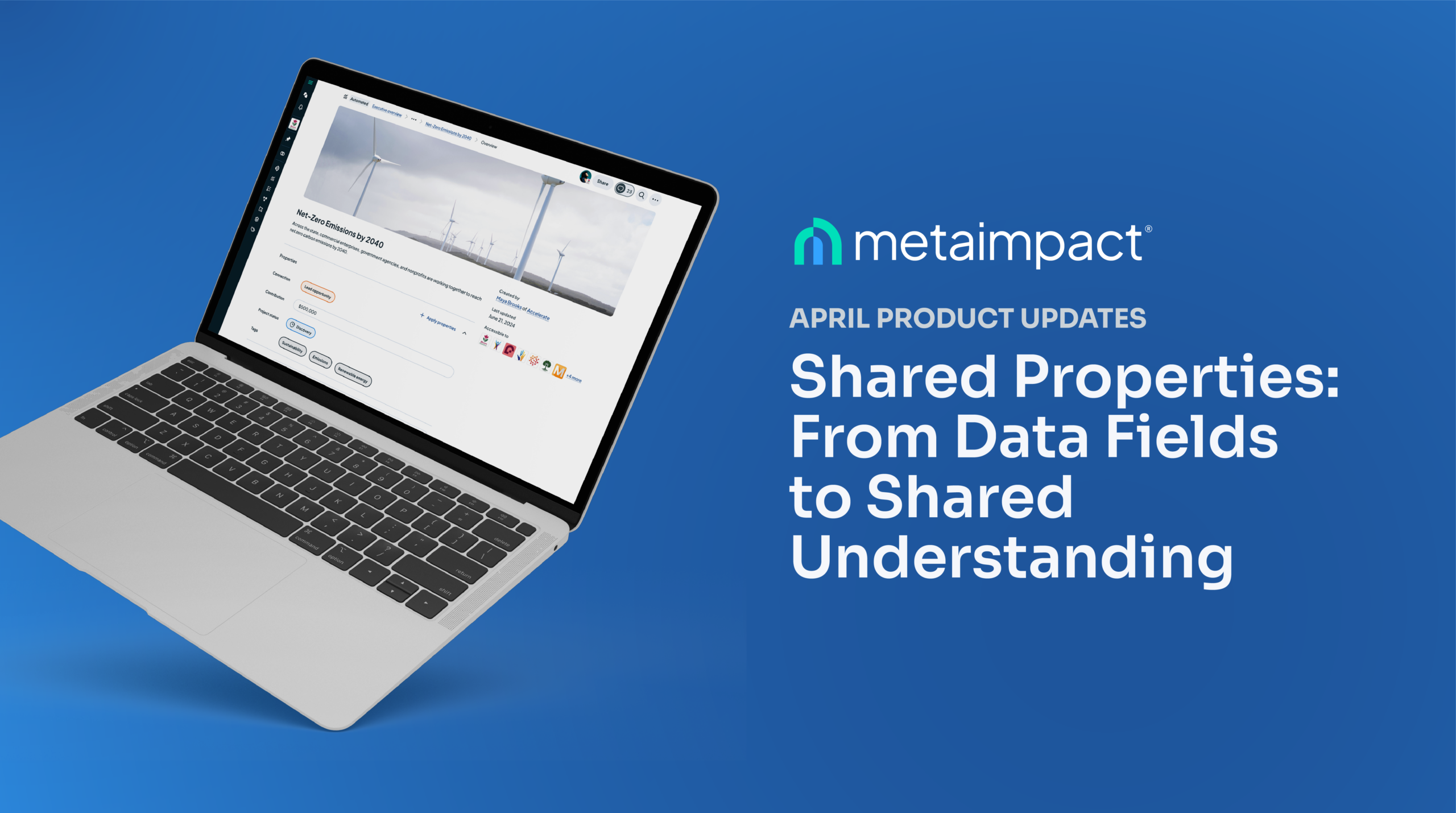
When we introduced Properties, we weren’t just launching a new feature. We were laying the foundations for a strategic paradigm shift.
We introduced a new layer of intelligence — one that turns scattered data into structured, usable context across your entire network. Now, we’re taking that one step further. You can share Properties.
Read on to find out why that changes everything.
The Problem: Everyone Tracks Metadata — But It’s Always Disconnected
Most systems are built to capture information. Few are built to align understanding. In multi-stakeholder efforts, this gap shows up everywhere:
• Different partners track the same thing in different ways
• Project data lives in silos
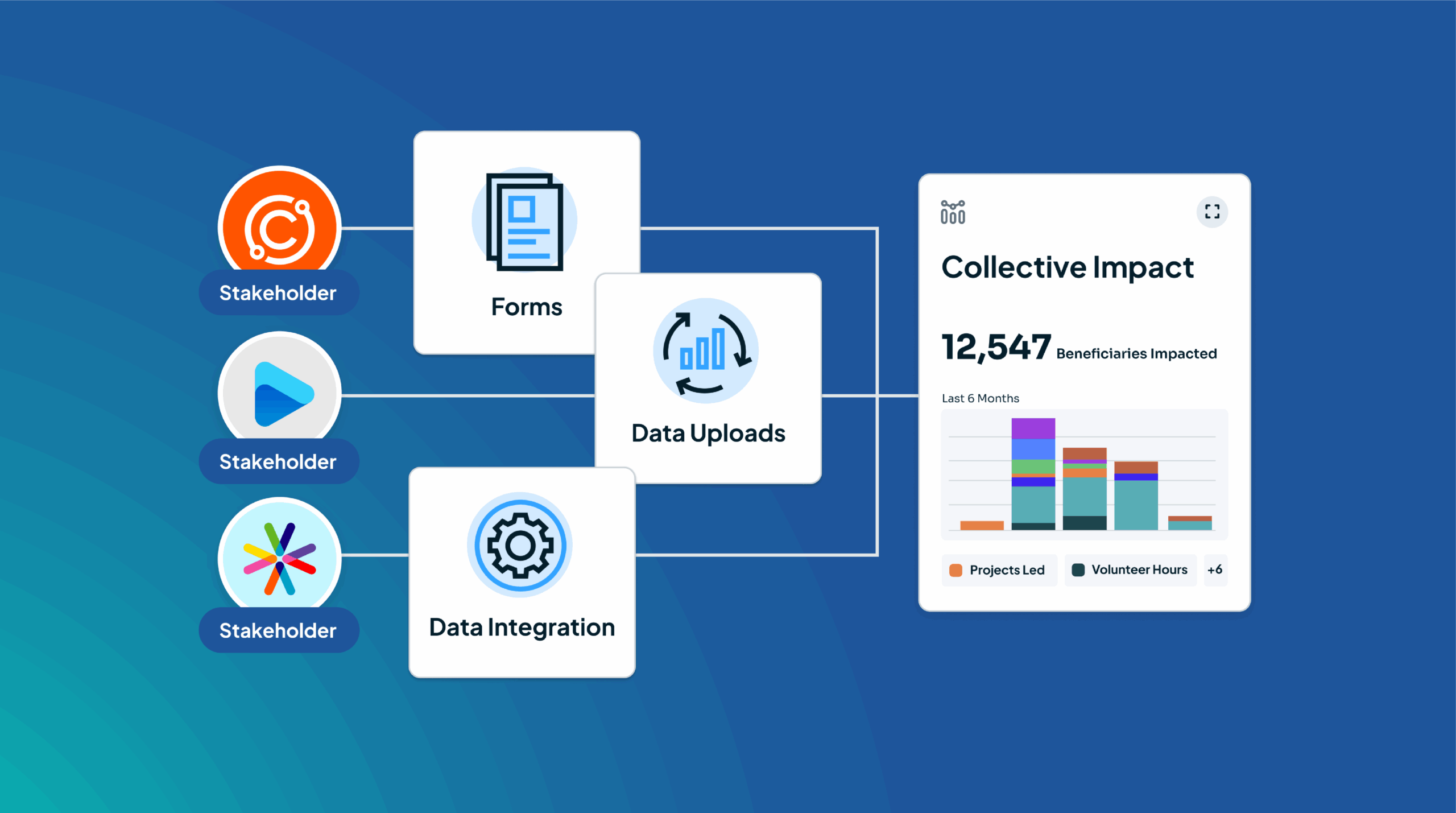
• Grant reporting becomes a patchwork of formats
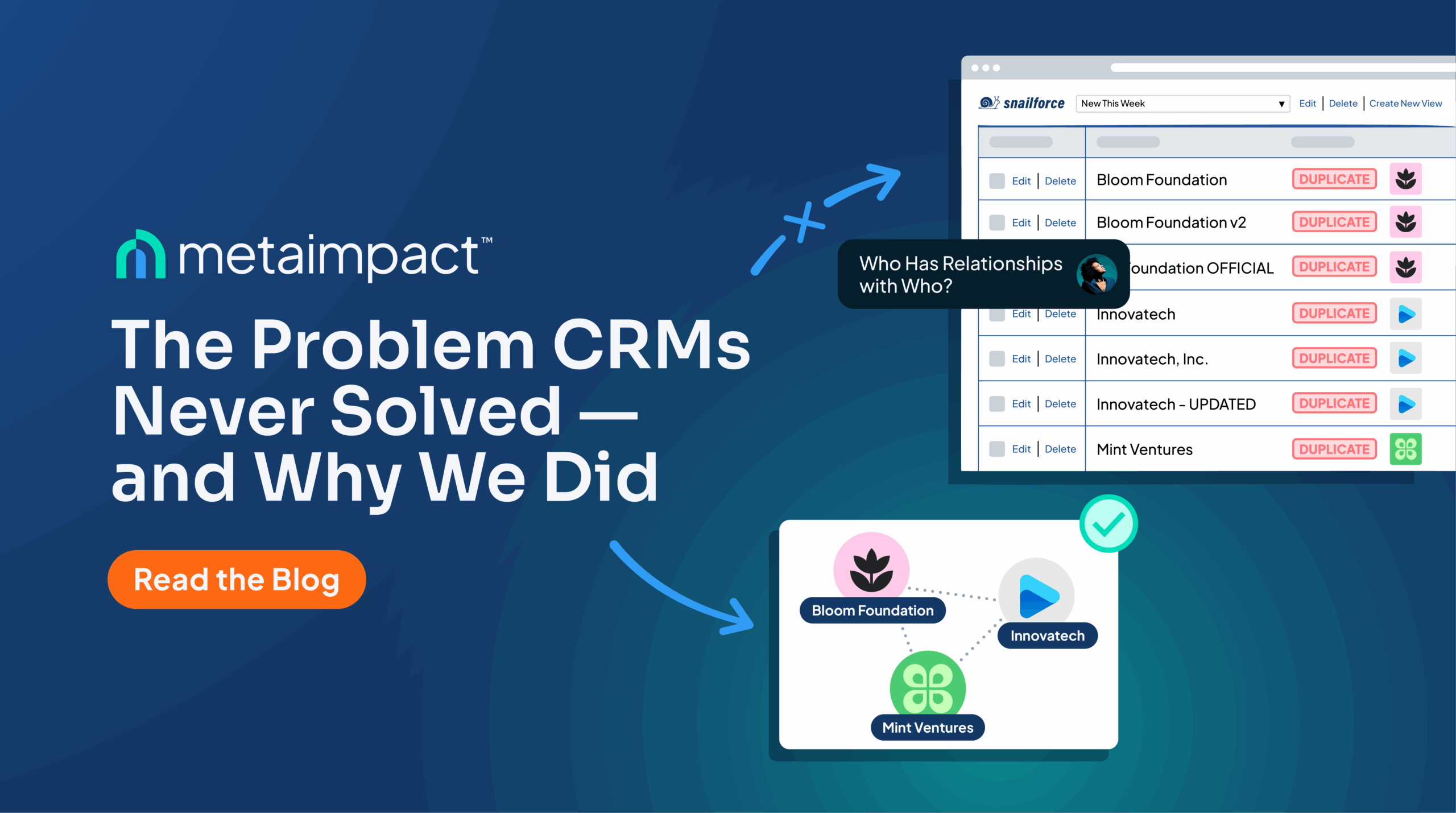
• CRM fields don’t translate across organizations
The result? You don’t just have fragmented data. You have fragmented meaning.
And without shared meaning, you can’t achieve shared progress.
The Shift: A Co-Created Metadata Layer
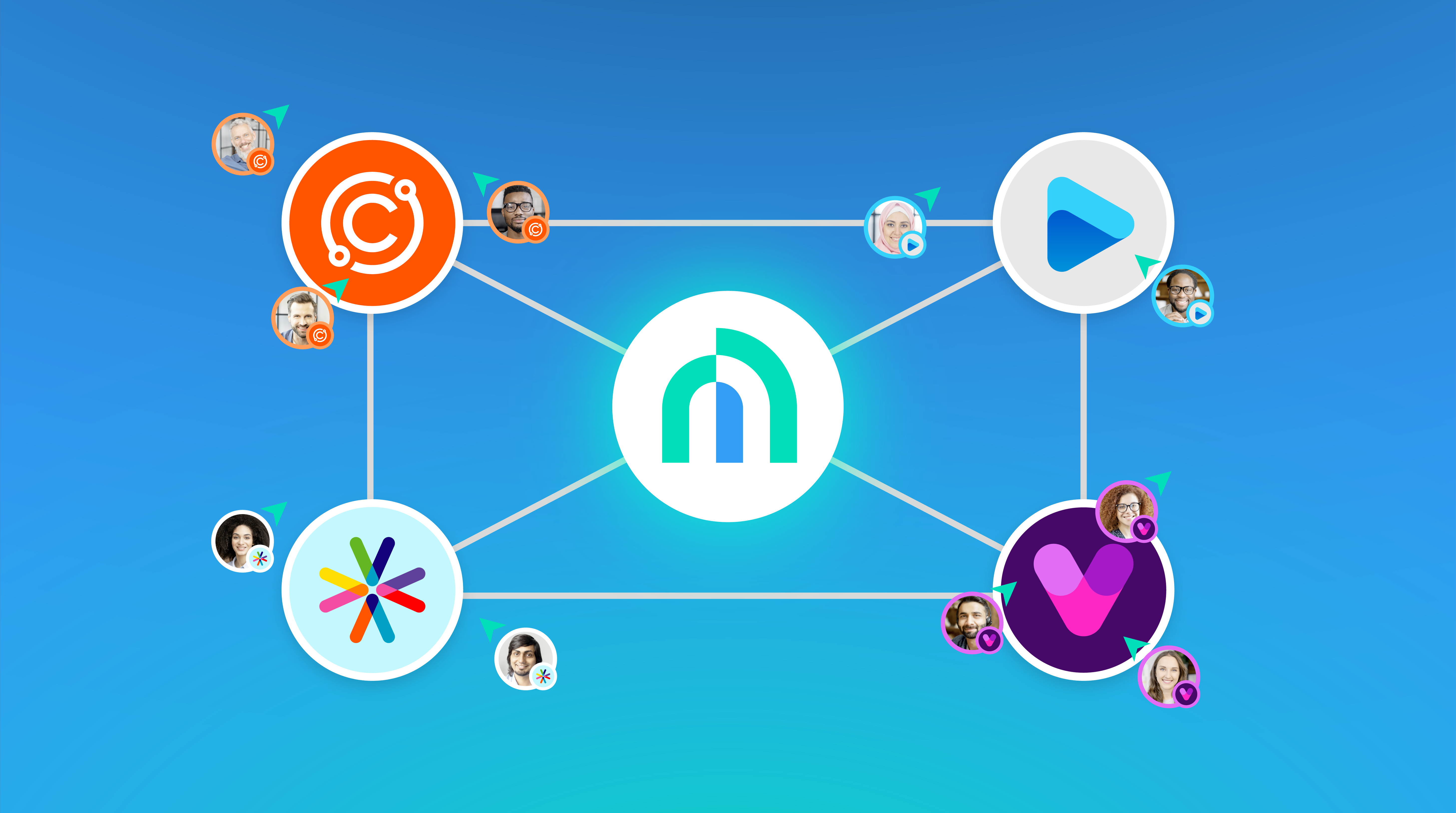
Shared Properties introduce something fundamentally new: A co-created metadata layer across your multi-stakeholder efforts. Instead of each team or organization defining data in isolation, you can now:
• Align on what gets tracked
• Standardize how it’s defined
• Collaborate on how it is applied over time
This is how data becomes a living knowledge system — not just a collection of fields.
What You Can Do Now
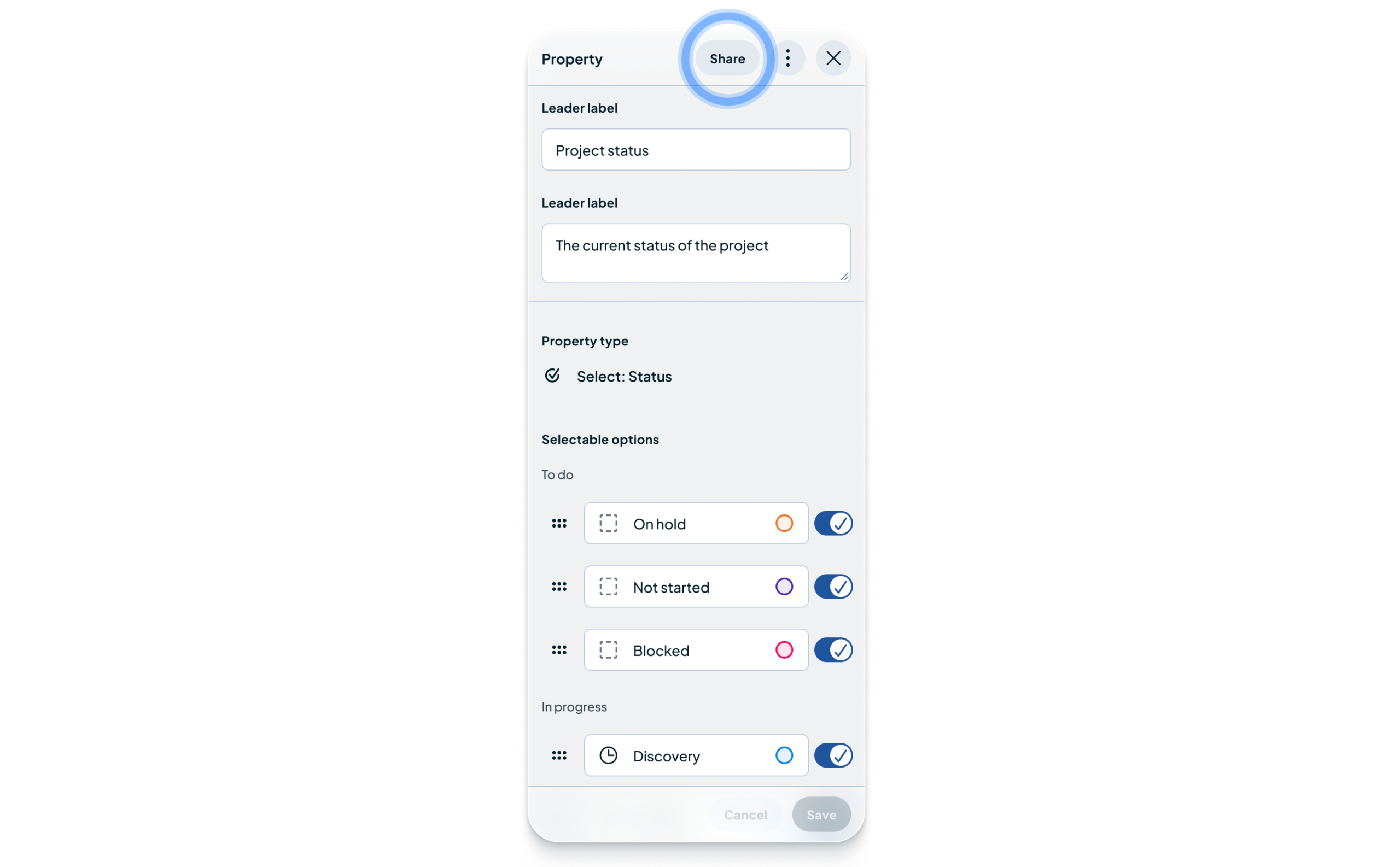
1️⃣ Share Properties Across Your Network
You can share Properties directly with:
• Individuals
• Groups
• Organizations
• Entire networks or multi-stakeholder efforts
And you control how they’re used:
• View-only → align visibility without losing control
• Editable → co-create and maintain shared knowledge together
This means your multi-stakeholder effort can move from:
“Here’s our data” to “Here’s how we understand the world — together.”
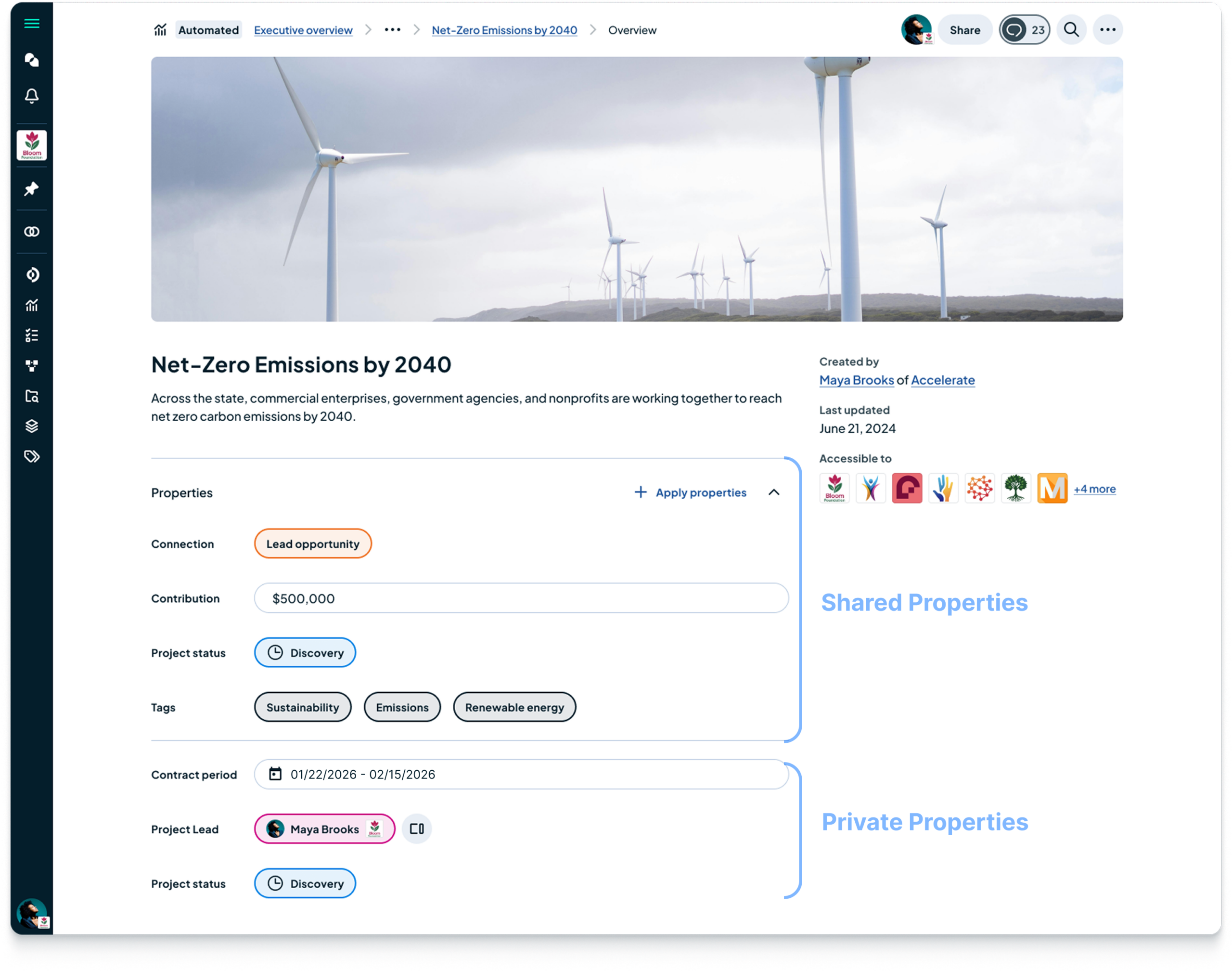
2️⃣ Blend Shared + Private Context
We know that not everything should be shared. With Properties, it doesn’t have to be. With Metaimpact, you can:
• Keep internal Properties private
• Layer shared Properties alongside them
• Maintain your unique perspective while aligning on common ground
This is where Metaimpact’s permissions-aware architecture becomes critical — giving you control without sacrificing collaboration.
The result: A shared view of reality with space for individual context.
3️⃣ Property Collections: Structure at Scale
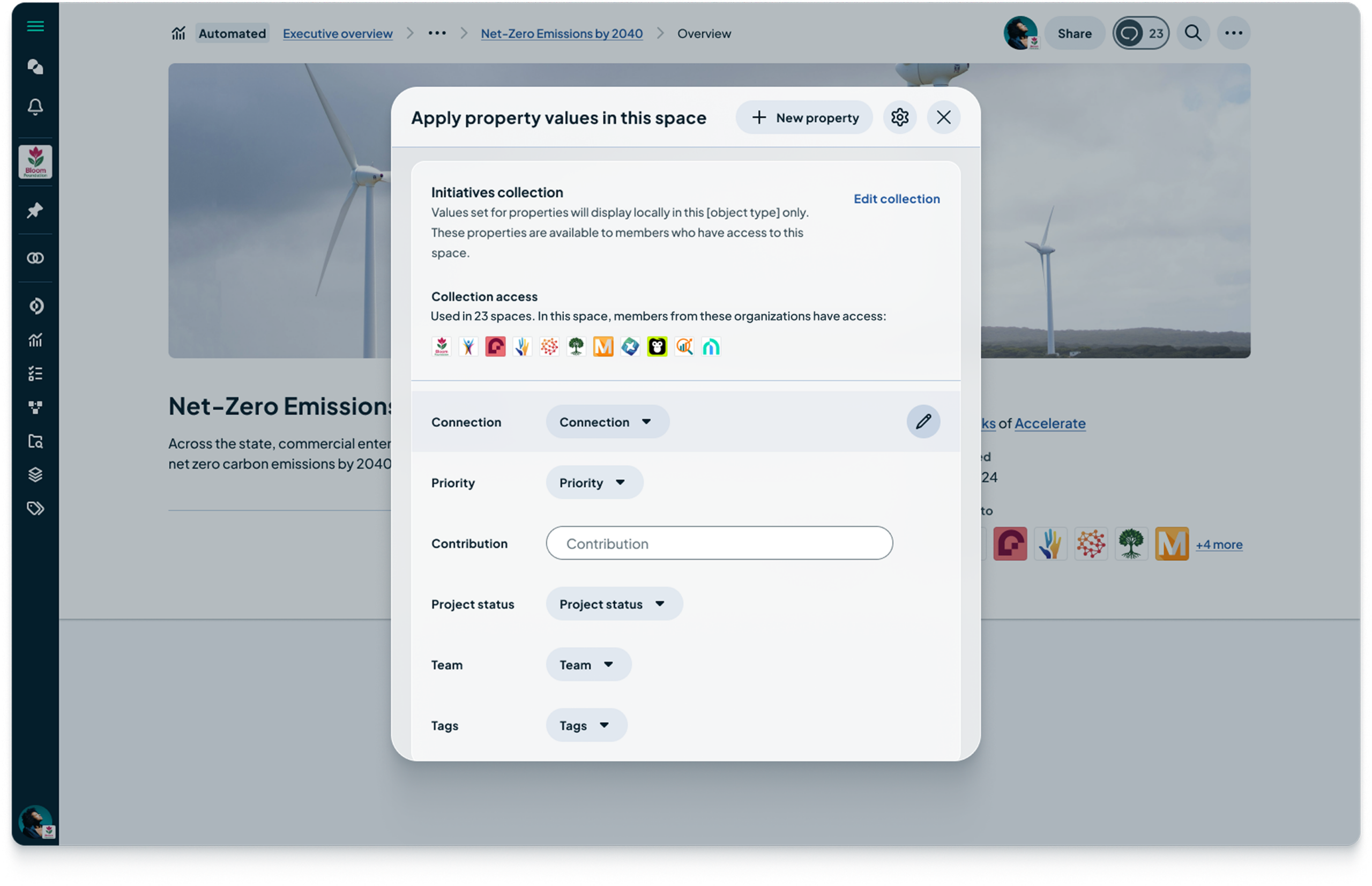
At scale, alignment needs structure. That’s where Property Collections come in. You can:
• Curate a set of Properties
• Apply them to a Space
• Make them available to everyone with access
This is especially powerful for knowledge networks and hubs, shared initiatives, and portfolio-level coordination. Now, when someone enters a Space, they don’t just see content.
They inherit the metadata layer behind it.
The Bottom Line
Data is only useful if everyone interprets it the same way. Shared Properties make that possible.